Even now – grateful for everything

Thanksgiving is always an important holiday in our house. It’s the day of cooking, more cooking, enjoying our cooking and clean-up. My sister and I usually roast a smallish turkey, make dressing (we call it stuffing), make cranberry relish (we call it sauce), and enjoy a salad with our meal. Or we make brussels sprouts – they were outrageously expensive this year, but I splurged and bought a pound. We don’t usually express our gratitude for everything out loud, but know that it’s there, every day, our gratitude is in everything we do.

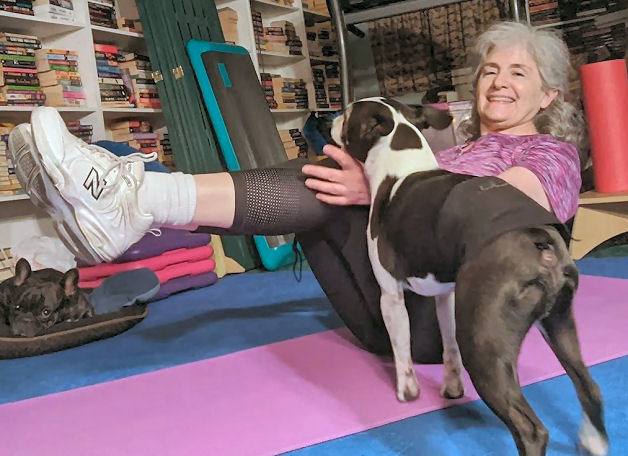
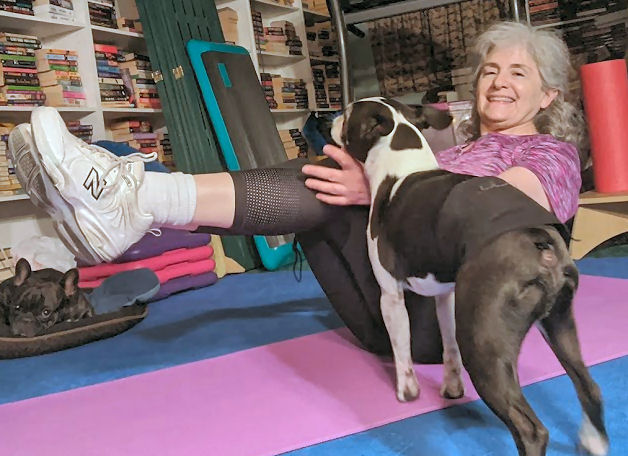
Grateful for everything - including the difficult journey Tango and I shared.

This year it’s a little different. My dog of 16-plus years, Tango, is gone. He told us it was time a couple of weeks ago. Because he was old doesn’t make it easier. You know. Tango was my project dog, and then my team member, doing all kinds of dog sports. We went on road trips together and had a ball. And, after his retirement, Tango was my companion dog. I still start to make his meals before the other dogs’. I look for him, watching that I don’t step on him walking through the house. He wasn’t a lap dog, but he had to be where I was. So, it’s different. I miss him.

The experts say that the stress of losing a loved pet can deplete your energy and emotional reserves. And that you should look after yourself. Let yourself grieve – and that takes its own path for everyone who experiences it. Continue your usual routines, especially if you have other pets. I’m doing that. The other dogs haven’t really looked for Tango. But perhaps they’re missing him in their own way.

By maintaining the usual routines, we’re making sure that our life goes on. Yes, I miss my dog. But I’m still functioning – after a fashion. It will get easier, I’m sure, as I do the normal things every day. And I’ll feel resilient again, having gone through something hard and survived.

This Thanksgiving, I’m grateful for having known Tango. He taught me more about dog training and psychology of dogs – and people than any course could have. I became a good trainer and learned how to be a good teacher. I’m grateful for everything he taught me. And I’m grateful that I was able to share Tango and our journey. 

AI is great – to a point

Artificial intelligence (AI) is everywhere, all the time. And it definitely has its uses. It can spark thoughts and ideas, schedule meetings, even write things for you. But take AI’s contributions with multiple grains of salt. AI is great – to a point. I even had input from AI to illustrate my children’s book. Be aware, though, that AI has limitations. At the bottom of AI generation screens, there’s even a statement telling the user to, basically, beware. AI has been known to make mistakes even when the output seems like fact.

But I wondered if AI could design a workout plan. Personal trainer Cori Ritchey wondered the same thing for himself and wrote in Men’s Health how the plan it came up with worked. He entered some basic information about himself, his experience, and his goals. And the bot came back with an extensive month-long workout plan. Ritchey followed it, complimenting the bot on some things as well as noting where it was deficient. 

Know your body if you rely on a bot to design your workout plan.

Ritchey’s conclusion was that if the user was a trainer themselves, and understood how exercises work together, a workout plan developed by AI could work. But he also warned that the user must know their own body. I know that I can’t do a lot of shoulder work due to dislocations years ago. (Yes, ouch.) So, if a workout plan recommends shoulder work, I’d have to modify it to suit my body. And AI may not correlate workout time and the effort needed. If you tell the bot that you only have 15 minutes, it may suggest something ridiculously difficult. 

He also warned that an AI-generated workout plan is not a great motivator. If you can self-motivate, then you might be able to follow through on a month-long plan successfully. But, if you’re more tempted by the living room couch or the latest trend streaming online, you’d probably do better with something else.

I’ve talked about ways to start an exercise program, and if you decide walking or dancing as a great way to move your body, AI can probably suggest a great playlist.

Alternatively, there are now AI-supported applications that act as personal trainers. I admit, I didn’t check the cost, but found it interesting that they exist now. In fact, I just read about one personal trainer AI app that was actually built on AI. Its creator became a certified trainer to ensure authenticity and insert some of the human motivational element. But, as always, caveat emptor. Remember that AI is great – to a point. And also remember that AI is the first to admit that it can make mistakes.

No need to panic – yet

Have you been seeing ads and posts about Black Friday the last few days? Isn’t it a little early? There are still 2 weeks until Thanksgiving here in the U.S., for Pete’s sake! There’s no need to panic – yet. Let’s take a breath and think about the current push. Retailers are seeing that no one is spending anything now. People are clutching their wallets to them and are reluctant to part with their hard-earned cash. Those retailers want to be top-of-mind when people start laying out the holiday moolah. And all the influencers want their recommendations to be what followers think of, so that they can earn their affiliate bucks. 

Think about what’s worthwhile

Similarly, there’s pressure to start working – and make significant progress – on your New Year’s goals. I’ve started talking about that lately, so I guess I’m guilty of pushing too. But I want you to start thinking about – not rushing into – what you might find worthwhile in the next few months. But there’s no need to panic and rush into anything you’ll regret later.

List everything

The first step, as we talked about last week, is to set down everything you’ve been thinking of. Everything you want in the next year, or quarter, or month, or week. Prioritize them. And then break them down and put them on your calendar. You’ll be a step ahead, and not have to worry about fitting everything into your schedule. And that will give you peace of mind, boost your confidence, and increase your resilience. If you can master your wish list, you can tackle anything.

This means all the things from every aspect of your life. Fitness, definitely – if you think you could be eating a more nutritious diet and cut out some supplements, do your research. If you think you could be getting stronger or gain more endurance, figure out the kind of movement you like to do the most. Think about your relationships with friends and family. Is there work to be done there? And how about your home – are you happy there? If something strikes you as important, even just a little, add it to the list. Now’s the time to include everything. You can week out the unimportant stuff later. 

Set priorities

Even celebrities like Megan Thee Stallion takes the time to set her priorities. “Right now, I’m just focused on staying disciplined in the gym, continuing to eat healthy, spending time with my loved ones, working on new music, and setting time for myself to reset and recharge.”

While we’re talking about the future, there’s no reason to abandon your current goals. If your goals still serve you, if you’re almost to the finish line, or even partway there, keep going. Incorporate them into your future thoughts too. And don’t forget to make regular contributions to your Amazing Box! You’re still doing great things.

Now is not the time to panic. But it is time to think.

Clarify your priorities

An old tool, but a good one for clarifying priorities

We’re getting close to that time of year when everyone seems to be talking about resolutions and goals for next year. I do this all year, because life doesn’t automatically change on December 31 and I have a whole new set of priorities. But many people stand by the New Year’s Resolution thing. Regardless, this is an exercise that everyone does at some point.

Here’s an old tool, but a good one, for clarifying priorities. Steven Covey, author of The 7 Habits of Highly Effective People, coined the term for the process from a speech given by Dwight D. Eisenhower. The Eisenhower Decision Matrix, or Urgent-Important Box, helps clarify priorities and determine the order tasks should be performed. I like this because it shows at a glance how we view problems. I’ve changed the matrix a little to suit the task of goal-setting.

First step – list the tasks that need doing. In order to prioritize our tasks we have to know what they are. Spend a couple of days on this – writing the tasks down as you think of them. I’ll be brushing my teeth at night and I’ll think of something that needs to get done. That’s why I always keep my trusty notebook with me. The next morning I’m usually able to decipher my cryptic notes. So spend a couple of days thinking before you start to set your priorities

Urgent or Important? 

Top-left, or front and center, are the things that are most important – the things that have consequences if they’re not completed. For us, if the doctor tells us to lose 50 pounds or we’ll die, that’s most urgent and imporant. These usually come to mind right away. We schedule everything else around these urgent and important tasks.

Important but not urgent tasks are those you still want to complete. These are the tasks or goals that you believe will set you up for success or happiness. So schedule your intermediate steps for these. If mastering the side plank will make you feel incredibly strong, schedule those mini-goals right on your calendar. Modify for a week on elbow and knee with your foot on the floor. Then lift the foot. When you’re ready lift onto your elbow and stagger your feet for the side plank. Then stack your feet, then lift onto your hand – you get the idea. You’re building your arm and core strength, and you’ll be making strides if you follow your schedule. And, by the way, this is an empowering pose. You’ll feel unbeatable.

Those urgent but unimportant tasks – like dusting – can be avoided or delegated. If you want your house cleaned before the holidays, hire a service. 

And the tasks that are not urgent and unimportant can be put on your list for when you have an extra five or ten minutes between other tasks. Or if they’re fun tasks, like reading a chapter in that library book, you can fit that in as your little reward for achieving a mini-goal.

It may seem like an overwhelming job to prioritize all the tasks you have to do. But clarifying your priorities is an important step. So, don’t panic and set yourself a reasonable time to get it done. The Eisenhower Matrix can be a valuable tool. And then starts the really fun job of achieving your biggest goals.