The Secret to Longevity: Why Flexibility is Your Fitness Superpower Over 50
When we think about “getting fit” in our 50s and 60s, our minds often jump straight to cardiovascular health or building muscle. While walking and strength training are vital, there is a “missing piece” to the wellness puzzle that often gets sidelined: flexibility. Improving your flexibility isn’t just about being able to touch your toes. It’s a fundamental pillar of healthy aging and a primary driver of how we feel—both physically and mentally—every single day.
The Longevity Link
Recent science has highlighted just how critical flexibility is for our long-term health. A landmark 2024 study published in the Scandinavian Journal of Medicine & Science in Sports followed middle-aged participants for over a decade. The researchers, led by Dr. Claudio Gil S. Araújo, discovered that individuals with greater flexibility had a significantly lower risk of premature death. Interestingly, this association was particularly strong in women, suggesting that maintaining a wide range of motion is a literal lifesaver as we age.
Physical Freedom and Healthy Aging
As we age, our tendons naturally lose some elasticity and our joints can become stiff. Feeling creaky when we get up from a chair should be our signal to take a short walk or do some squats. By prioritizing flexibility, we maintain the range of motion necessary for things we do every day—things like reaching for a high shelf, tying shoes, or playing on the floor with grandkids. Improved flexibility also reduces the risk of falls by enhancing balance and stride mechanics, allowing us to maintain our independence for years to come. So the more flexible we are, the more able we are to do the balance exercises I recommend every day.
The Mindset Shift
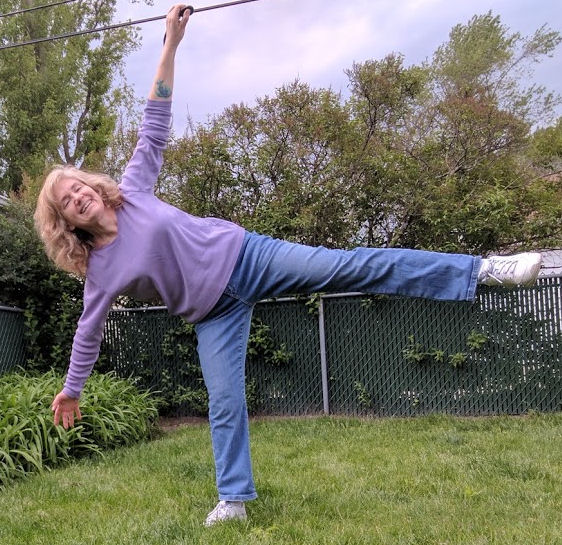
The benefits of stretching extend far beyond the physical. Flexibility training, especially through mind-body practices like Yoga or Tai Chi, acts as a bridge to a better mindset. A 2024 study in Frontiers in Public Health found that mind-body exercises significantly improve psychological resilience and quality of life in older adults.
As an added bonus, when you stretch, you aren’t just lengthening muscle fibers; you are signaling to your nervous system that it is safe to relax. This reduces cortisol levels and helps alleviate the “brain fog” or anxiety that can sometimes accompany this stage of life. A flexible body often leads to a flexible mind—one that is more resilient to stress and more open to the joys of aging.
Your Path Forward
You don’t need to spend hours on a mat to see results. Just 10 to 15 minutes of dedicated stretching or a gentle yoga flow three times a week can transform your mobility. Spend a few minutes walking or biking first to warm up. The Mayo Clinic emphasizes that you can hurt yourself if you overly stretch cold muscles. Start where you are, honor your body’s limits, and remember: staying limber is one of the greatest gifts you can give your future self.
